








Metabolic syndrome — pathophysiology, symptoms and directions of therapy
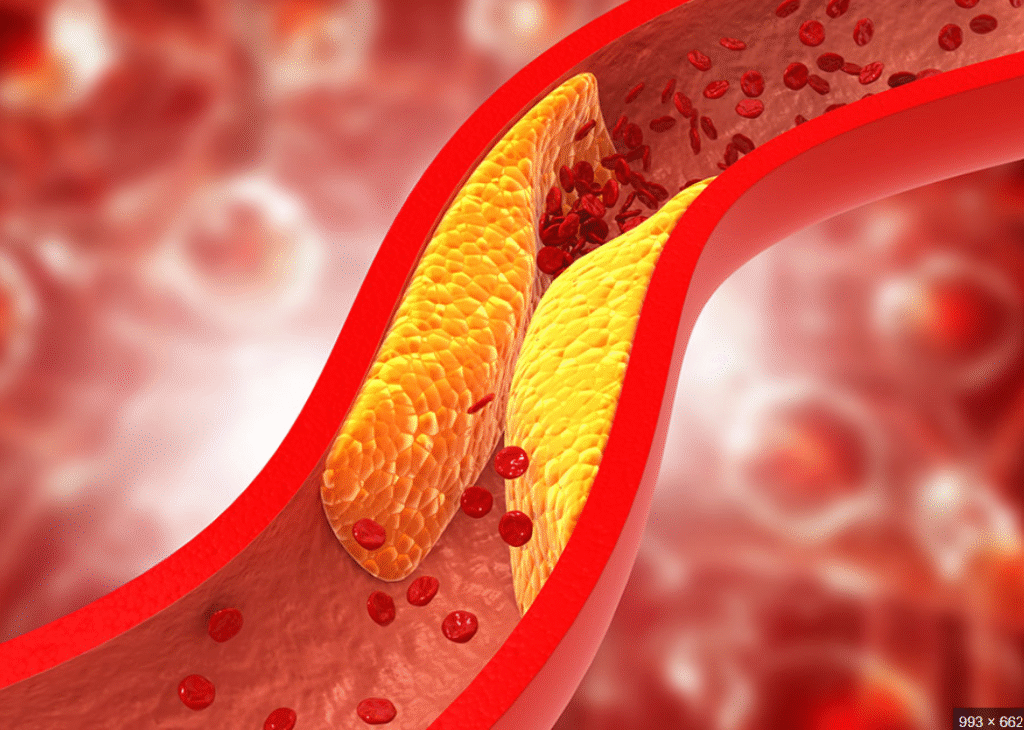
Metabolic syndrome is currently recognised as one of the main risk factors for the development of ischaemic heart disease. Its occurrence is associated with disturbances of metabolic homeostasis that lead to chronic inflammation, endothelial dysfunction and atherosclerosis. In clinical practice, particular attention is paid to the so-called “deadly quartet” — four co-occurring symptoms that significantly increase cardiovascular risk:



Key clinical indicators
- Elevated blood lipid levels
- Elevated total cholesterol and LDL fraction
- Elevated arterial blood pressure
- Elevated fasting glucose, or diagnosed type 2 diabetes or prediabetes
Therapeutic and interventional directions
Contemporary therapeutic approaches focus on multidirectional metabolic intervention, covering both pharmacotherapy and non-pharmacological strategies such as hypoxic training, lifestyle modification and nutritional interventions.
Therapeutic goals
- Reduction of glycaemia and improved glycaemic control
- Lower triglyceride concentration and an improved lipid profile
- Reduced insulin resistance and improved tissue sensitivity to insulin
- Regulation of endogenous insulin production
- Improved fat metabolism and reduction of visceral tissue
- Optimisation of respiratory capacity and improved tissue oxygenation
- Normalisation of arterial blood pressure
- Strengthening of immune function and reduction of inflammation